

Let’s be honest. Your digital identity right now is a mess. It’s scattered across a dozen social media profiles, a handful of email accounts, and countless login screens. Companies you’ve never heard of own fragments of it, trading them like digital baseball cards. You know the feeling—that creeping sense you’re not really in control.
That’s where the idea of a sovereign digital identity comes in. It’s not just another profile. Think of it as your own personal embassy in the online world. A secure, self-contained space where you hold the keys, you control the data, and you decide who gets a visa to see what information. Building one isn’t just techy futurism; it’s becoming a practical necessity.
What Exactly Is Sovereign Identity? Breaking Down the Jargon
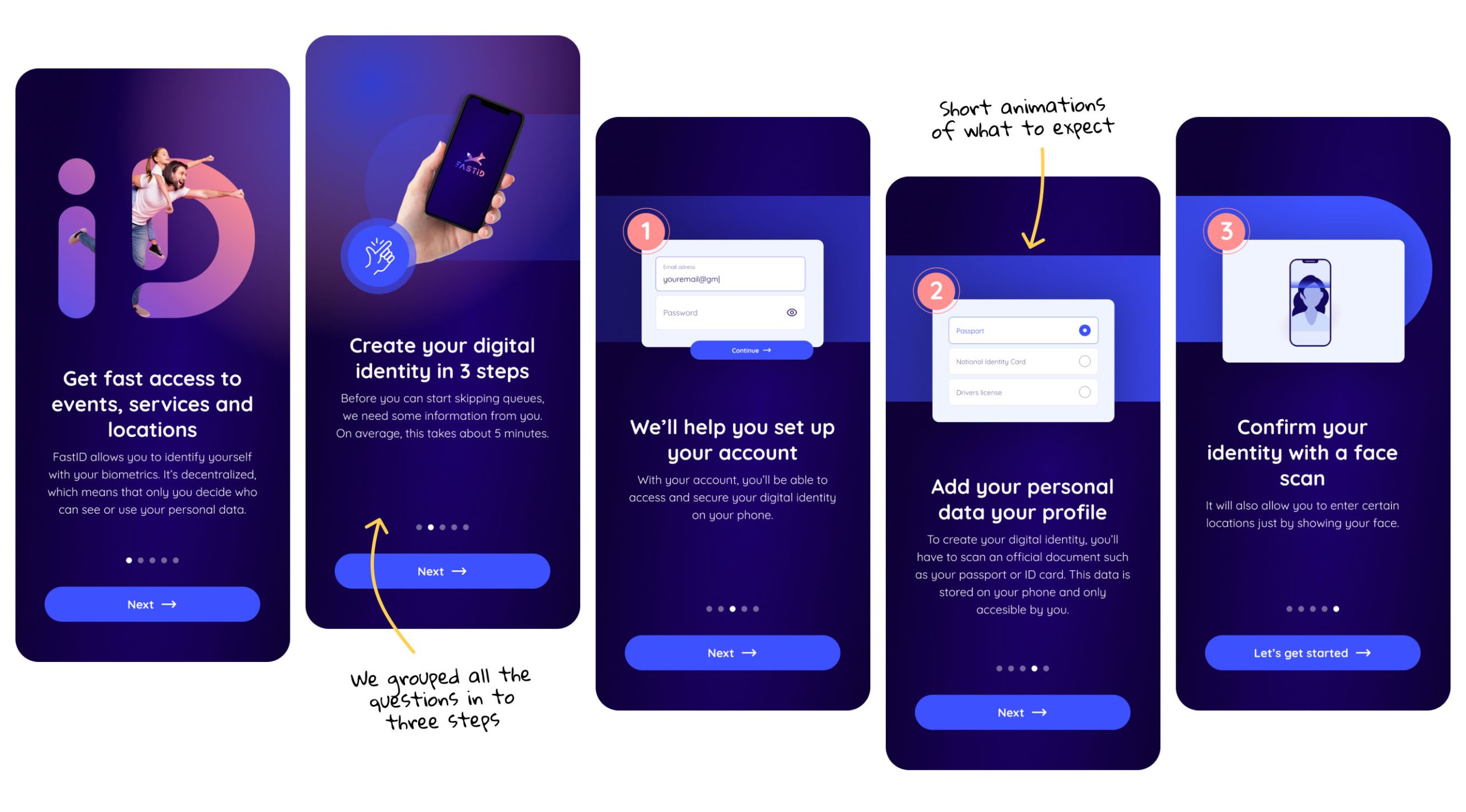
Okay, let’s ditch the buzzwords for a second. Sovereign identity (sometimes called self-sovereign identity, or SSI) is a model where identity control flips. Instead of institutions issuing and holding your credentials (like your bank issuing a credit card number they control), they issue credentials to you. You store them in a digital wallet you own—often on your phone—and present them directly when needed.
The magic lies in cryptography. You can prove you’re over 21 without revealing your birthdate. Or confirm your employment without handing over a PDF of your salary. You share only what’s necessary, minimizing your data footprint. It’s the difference between handing a bouncer your entire wallet to check your ID and just flashing the one card that says “Over 21.”
The Core Pillars: What Makes It “Sovereign”?
For an identity to be truly sovereign, it should rest on a few key principles:
- Existence: You have an independent identity, period. It doesn’t depend on a Google or Facebook account.
- Control: You, and only you, authorize the use of your identity data. No silent background checks.
- Access: You can see exactly what’s in your identity wallet and where your credentials came from.
- Portability: Your identity isn’t locked into one vendor’s system. You can take it with you.
- Persistence: It should last as long as you want it to—ideally, a lifetime.
- Minimal Disclosure: That “share just what’s needed” rule we talked about. It’s a big deal.
The Building Blocks: Your Sovereign Identity Toolkit
So, how do you start building this? You can’t just download “Sovereign Identity Pro” yet. It’s a mosaic you assemble. Here are the current pieces of the puzzle.
1. The Digital Wallet (Your Identity Vault)
This is your foundational tool. A digital wallet app on your device stores your verifiable credentials—cryptographically signed proofs from issuers. Look for wallets that support open standards (like W3C’s Verifiable Credentials). Some are emerging from blockchain projects; others are more generic. The key is that the private keys—the ultimate proof of ownership—never leave your device.
2. Decentralized Identifiers (DIDs)
This is your new address book entry. A DID is a unique string of letters and numbers you generate, not a company. It’s registered on a decentralized network (like a blockchain or a specialized ledger). You can have multiple DIDs for different contexts—one for professional life, one for healthcare, maybe another for anonymous forums. It cuts the ties that bind you to a single identifier like an email address.
3. Verifiable Credentials (VCs)
These are the digital versions of your physical credentials. Your university issues a VC that says you have a degree. Your government issues a VC that confirms your passport is valid. They’re tamper-evident and instantly verifiable. Your wallet collects them, and you present them directly to a verifier (like a rental agency).
| Traditional Model | Sovereign Model |
| You ask issuer to verify to a 3rd party. | You present a credential directly. |
| Data is stored in corporate silos. | Data is stored in your wallet. |
| Prone to large-scale data breaches. | Breach risk is decentralized to individual devices. |
| Consent is often broad and buried in T&Cs. | Consent is specific, granular, and for each transaction. |
Securing Your Digital Self: It’s a Practice, Not a Product
Owning your identity means the security burden shifts to you. That’s empowering, sure, but also a responsibility. Here’s how to lock it down.
- Master Your Keys: Your recovery phrase or seed phrase for your identity wallet is the master key to your digital self. Write it down on paper, store it in a fireproof safe—treat it like the deed to your house. Never, ever store it digitally in plain text.
- Embrace Hardware: For high-value identities, consider a hardware wallet. It’s a physical device that stores keys offline, making them nearly immune to remote hacking. It’s the equivalent of a safety deposit box for your digital credentials.
- Compartmentalize: Use different DIDs and credentials for different parts of your life. Why use your “professional” DID to log into a gaming site? Segmentation limits damage if one context is compromised.
- Verify the Verifiers: Just because something asks for a credential doesn’t mean you should hand it over. Check the verifier’s reputation. A good sovereign identity system lets you see exactly what they’re asking for and why.
- Stay Updated: This tech is evolving. Keep your wallet software updated. Follow the standards bodies. Security isn’t a one-time setup; it’s a habit.
The Road Ahead: Challenges and Why It Matters
Look, this isn’t all smooth sailing. Widespread adoption needs issuers (governments, universities, corporations) to play ball. The user experience needs to get smoother—no one will use it if it’s harder than “Sign in with Google.” And there are legit questions about recovery if you lose your only device and that seed phrase.
But the trend is clear. Data breaches are constant. Surveillance capitalism is exhausting. The pain of managing 100 passwords is real. Sovereign identity offers a path out. It’s about dignity as much as it is about data. It’s the idea that in our digital lives, we should have the same basic rights we expect offline: privacy, consent, and the freedom to move.
You might start small. Maybe with a credential from a forward-thinking professional organization. Or a digital driver’s license from a pilot program in your state. Each piece you bring under your control is a fragment of your digital self you reclaim. The goal isn’t to disappear online—it’s to finally appear on your own terms.


